16th Jul 2026 | Hyatt Regency Delhi
Supply Chain and Logistics
The Strategic Enabler of National Competitiveness, Industrial Growth, and Global Trade Leadership
As India envisions and accelerates toward becoming a global trade powerhouse under the aegis of Prime Minister Shri Narendra Modi, its logistics corridor stands at a defining crossroad. Through decisive measures, it is also reinforcing its network with key partners, such as the USA, EU, China, UAE, and Russia, thus ensuring a combined trade volume worth over USD 500 billion.
However, an imbalance is evident. While roads shoulder nearly two-thirds of India’s freight, straining both infrastructure and costs, rail and maritime systems remain underutilised despite steady investments. Indian ports' infrastructure continues to anchor trade (handling 96% of volumes), but this key link faces modernisation and connectivity challenges. At the same time, air cargo, vital for high-value sectors, demands deeper infrastructure expansion beyond metro cities.
Ergo, the next decade will be defined by how effectively India rebalances its modal mix and builds a future-ready, multimodal logistics ecosystem.
The Precision Economy:
From Movement to Measured Excellence
In a landmark shift, India has successfully reduced its logistics costs from 14% of GDP to nearly 9%, aligning itself with global benchmarks such as the US and Europe. This 9% benchmark marks the beginning of the Velocity Era, sharpening focus on accuracy, predictability, and optimised outcomes at every node of the value chain.
For India, embracing the Precision Economy is critical not just to sustaining its global trade ambitions, but also to pursuing a major infrastructure overhaul and support the envisioned transition. It demands not just infrastructure upgrades, but a systemic shift toward digitalisation, interoperability, and coordinated execution across stakeholders. The winners in this new landscape will be those who can move beyond scale to precision, in the process transforming logistics from a cost centre into a driver of profitability, resilience, and growth.

30+
Government &
Policy Makers
200+
Industry
Speakers
1,200+
Industry
Delegates
60+
Insightful
Sessions
400+
Participating
Companies
Supply Chain and Logistics
Conclave 2026
The 5th Edition of the Supply Chain and Logistics Conclave 2026 serves as the boardroom for India’s economic architects. As global trade enters a phase of “Geoeconomic Confrontation,” India’s PM Gati Shakti and the National Logistics Policy (NLP) have institutionalised a multi-modal, GIS-enabled planning culture.
With over 22 million people employed in the sector and Unified Logistics Interface Platforms (ULIP) now mainstream, the industry is moving beyond “Digitalization” toward “Cognitive Value Chains.” We are no longer just fixing infrastructure; we are building an autonomous, data-driven ecosystem that serves as a global alternative to traditional hubs.
The 5th edition of the Conclave is curated for a high-level audience of CSCOs, CPOs, and CLOs who are navigating a “Compliance Cliff” and a “Tech Surge.” This year, we break the mould with:
The 9% Benchmark
Deep dives into how we maintain single-digit logistics costs
Cognitive Procurement
Moving from “Source-to-Pay” to AI-driven “Insight-to-Value”
The Sectoral Summits
2-hour specialised tracks for Cold Storage - FMCH – Healthcare, Retail, and Auto & Manufacturing
Looking Ahead: The 2047 Vision
As the 5th edition of this premier platform, the Supply Chain and Logistics Conclave 2026 is more than a conference and thought-leadership platform; it is the launchpad for the next decade of Indian trade. We invite you to join the vanguards of the industry as we engineer the Frictionless Chain and define India’s role as the world’s most efficient logistics hub.

Recognising India's Top Brands
Driving
Excellence in Supply Chain & Logistics
As global supply chains experience profound change fuelled by digital transformation, shifting geopolitical dynamics, sustainability demands, and changing customer needs, companies are reshaping how goods, services, and information flow through interconnected systems. The 5th edition of Supply Chain & Logistics Conclave 2026, organised by Team Marksmen Network, proudly introduces " The Champions of Supply Chain & Logistics 2026", a distinguished platform celebrating India’s Top 50 Brands for their outstanding leadership, innovation, resilience, and operational excellence in supply chain and logistics.
This recognition aims to honour organisations that are not just enhancing efficiency with cost-cutting but are also building flexible, smart, sustainable, and future-oriented supply chains that support India’s economic growth and global competitiveness. The recognition provides a platform to highlight best practices, encourage widespread transformation across the industry, and honour organisations that are establishing new standards for supply chain excellence.
Click for More DetailsAdvisory Board Members
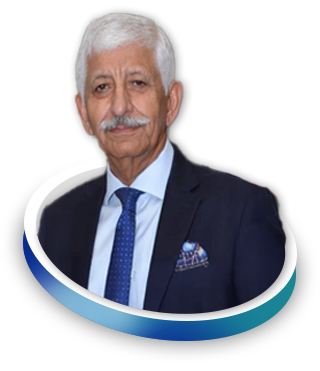
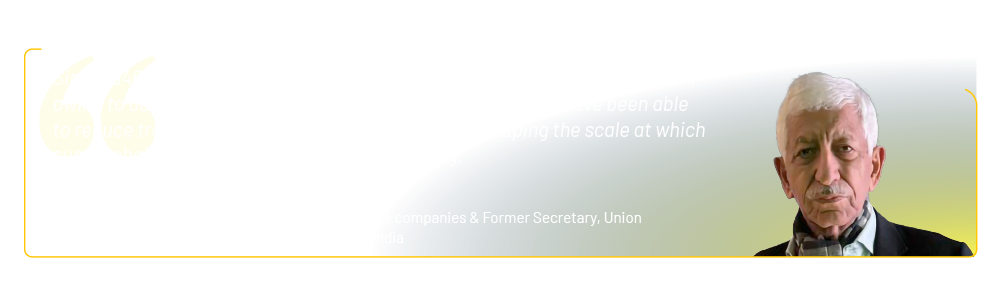
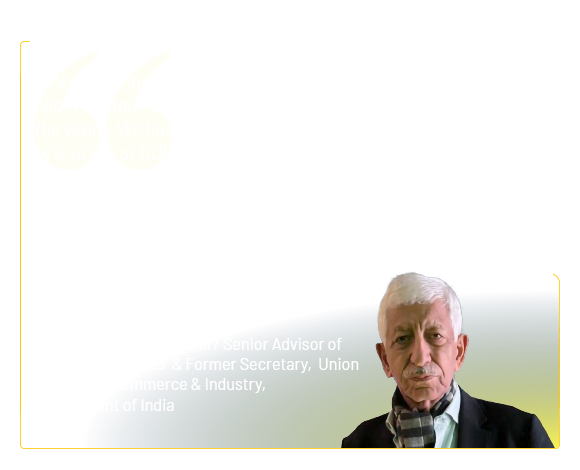
Dr. Ajay Dua
Former Secretary, Commerce & Industry
Government of India

Dr. Debjit Roy
Co-chair, Centre for Transportation and Logistics
IIM, Ahmedabad

Dr. Radhamohan Gupta
Supply Chain Strategist, Former Chief Supply Chain Officer
Devyani International, Reckitt, Pepsico
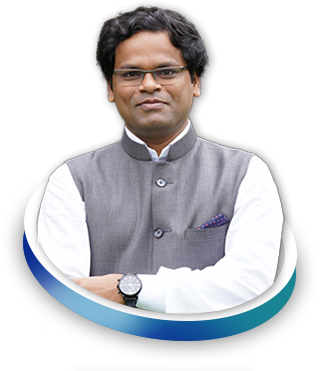
Dr. Rajeev Tripathi
Chairperson – Supply Chain Management Centre; Chairperson – Production and Operations Management Area
IIM Bangalore

Sunu Mathew
Managing Director & CEO
LEAP India Limited

Dr. Vandana Singh
Chairman (Aviation Cargo)
Federation of Aviation Industry in India (FAII)
Eminent Speakers

Mrs. Meenakashi Lekhi
Former Minister of External affairs and Culture
Government of India
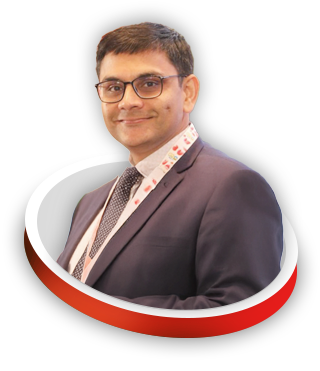
Gaurav Pundhir
Director-Special Economic Zone, Department of Commerce
Government of India
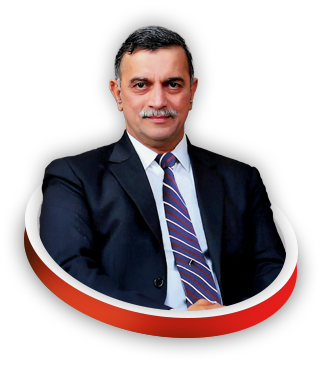
Shrikant Madhav Vaidya
Energy Leader, Former Chairman
Indian Oil Corporation Ltd.
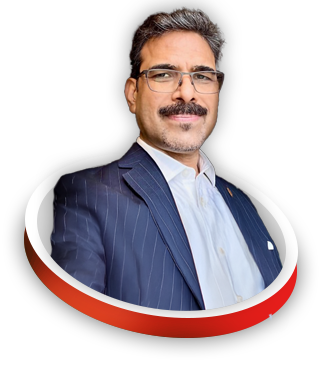
Dr. Surendra Ahirwar
Executive Director- Commercial Traffic
Indian Railways
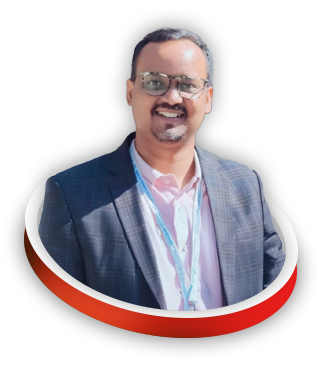
Amit Kumar Singh
Director- Strategy & Transactions
EY

Anuj Verma
National Sales Head - FMCG
LEAP India Limited
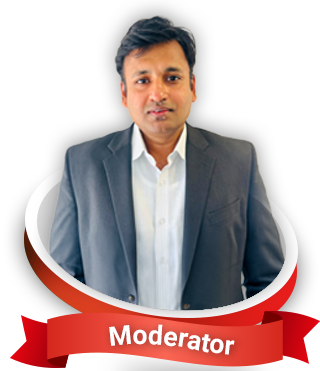
Apurva Agarwal
Partner
EY
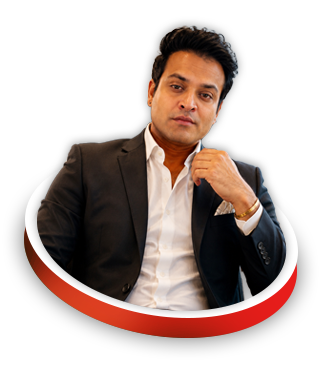
Amit Saini
Director
Grant Thornton Bharat LLP
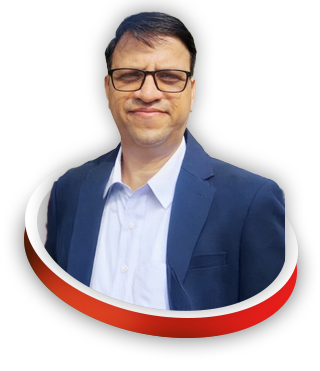
Anil Kumar Mishra
National Logistics Head
pladis Global

Anil Sharma
Sr. Director Supply Chain Management
Flavine

Animesh Gupta
Vice President Procurement
Varun Beverages

Anish Tulsian
National Head
LEAP India

Ashish R. Pareek
News Anchor and Principal Correspondent
Times Network
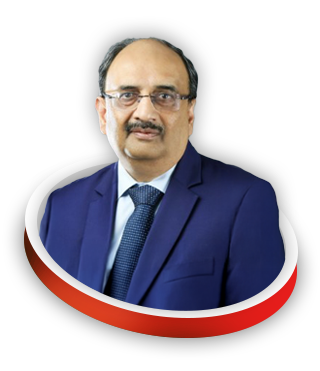
Ashwani Bhargava
Senior Director, Supply Chain Enterprise
Boeing India

Atul Jha
Head of Operations
Tata 1mg
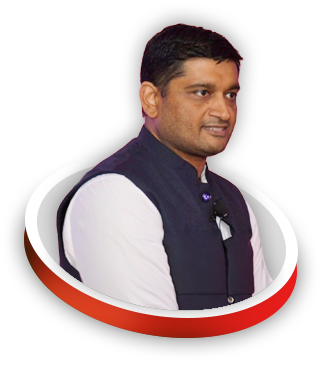
Bharat Bhushan Rathi
Head of Supply Chain
JK Organisation

Debjyoti Patra
Chief Supply Chain Officer
Banas Dairy (Amul – GCMMF)
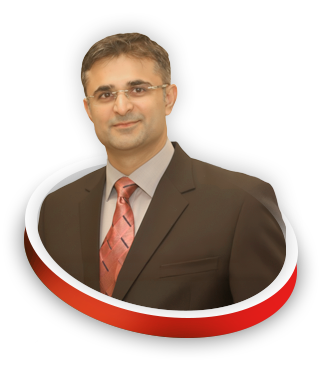
Dhruv Raj Sirohi
Senior Director - Enterprise Operations, Procurement & Asset Governance
Indian Army

Deepak Goel
Head Supply Chain Management
Bausch Health
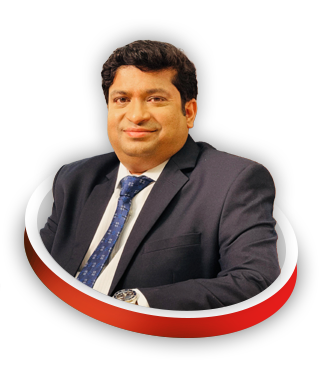
Harish Rane
Chief Business Officer
LEAP India
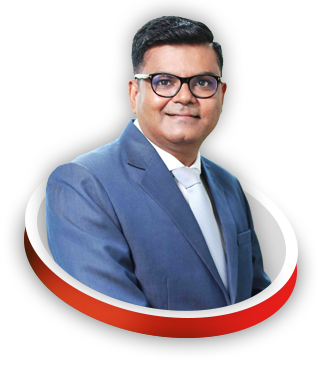
Hrishi Gandhi
Chief Growth Officer
LEAP India Limited

Kapil Premchandani
Managing Director
KD Logistics

Kushal Vardhan
Director
Delhivery

Mahesh Gupta
Head Supply Chain Management
DS Group

Manish Rawat
Senior Vice President
Indospace
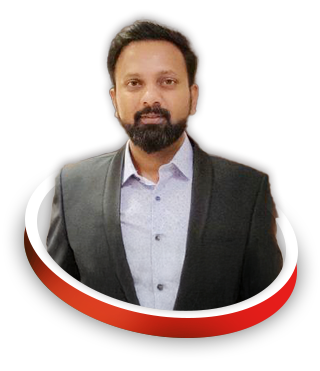
Manoj Baraskar
Founder & CEO
RAMS Digital
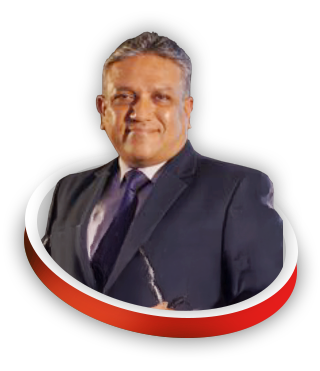
Mohit Jauhari
Head Supply Chain Management
Shriram Pistons & Rings
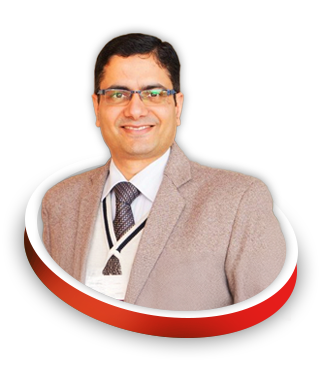
Mohit Sadhotra
Head Supply Chain Management
Dr Lal Pathlabs
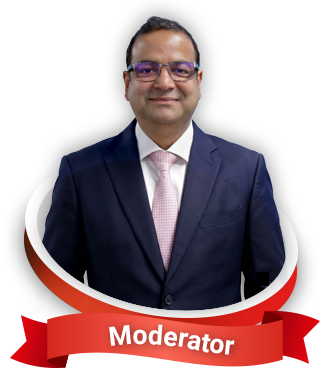
Neeraj Bansal
Partner Risk Advisory and Head India Global
KPMG in India

Neeraj Saini
Head of Supply Chain, South East Asia
Signify

Pankaj Aggarwal
COO
Unibuild - Motherson
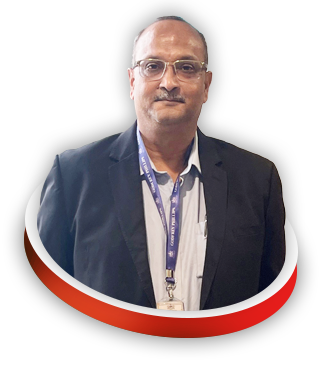
Pankaj Kumar Patodi
Head of Supply Chain Management
Godfrey Philips India Ltd
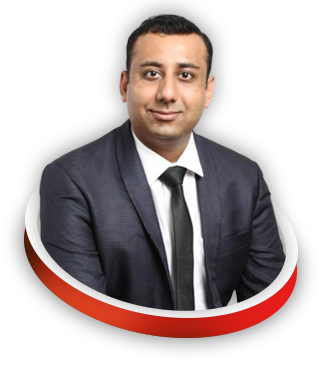
Piyush Aggarwal
VP- Supply Chain
Jubilant Agri & Consumer Products
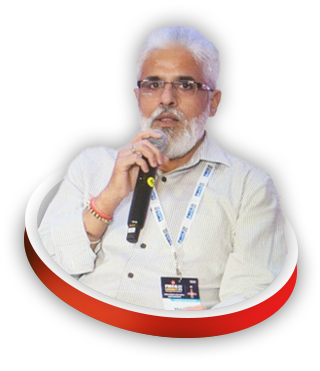
Pran Raj
Vice President Supply Chain
Devyani International Limited

Preet Kahlon
Former Head Process Excellence, PSCM
Cairn India

Raghvendra Mishra
Sr. Department Manger SCM
USHA International
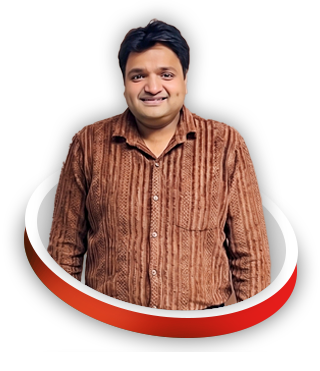
Rahul Jain
Head Customer Service and Supply Chain Excellence
Mars
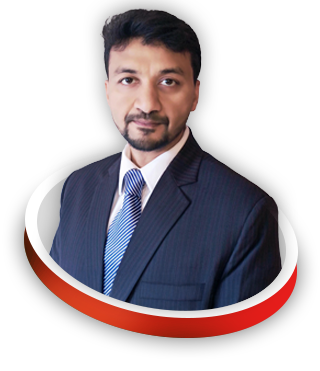
Rahul Poddar
Head of Procurement – South Asia Region
NESTLÉ INDIA LTD.
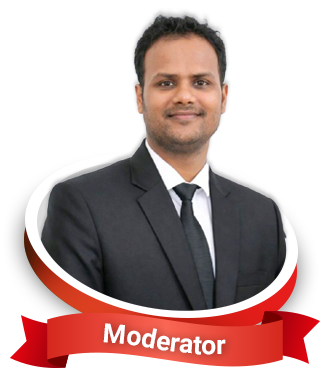
Rishav Kumar
Functional Consultant
Deloitte
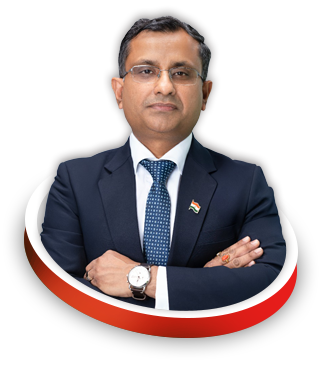
Ramnik Gupta
Chief Financial Officer
Jindal Cement Industries Ltd

Rashmi Chawla
Chief Procurement & Supply Chain Officer
Ujala Cygnus
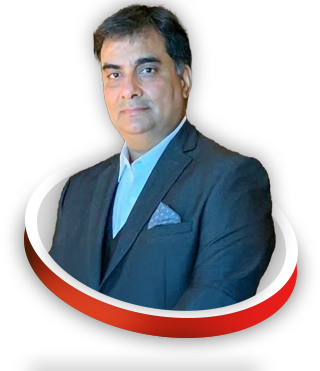
Rohit Vohra
CEO
Jindal Cements
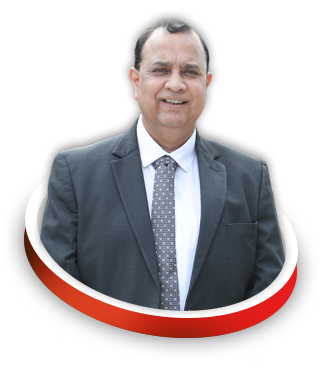
Sachin Apte
Chief Procurement Officer
Welspun World
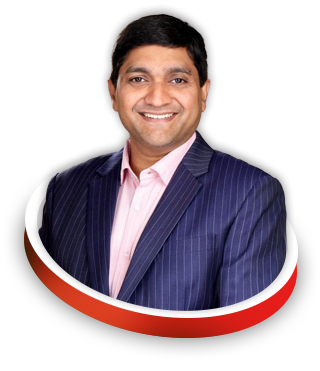
Sachin Jain
Co-Founder & CFO
ProcMart
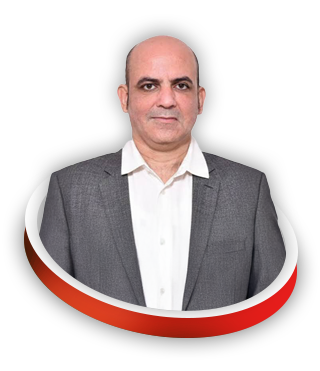
Samrat Sehgal
Global Head of Supply Chain
Dabur
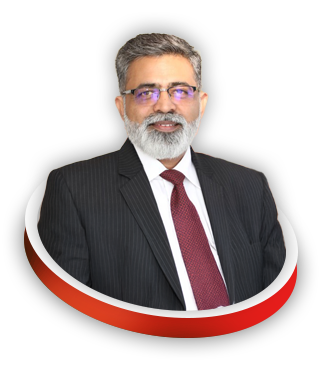
Sanjay Shridhar
Director and Head of Purchasing & SQE
CNH Industrial
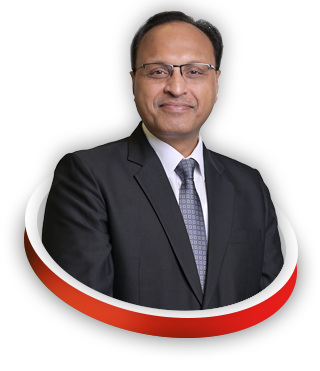
Sanjeev Jain
Member of Board & Director, Purchase
Honda Motorcycle & Scooter India (HMSI)

Santosh Pandey
Head of Procurement
Tropolite Foods
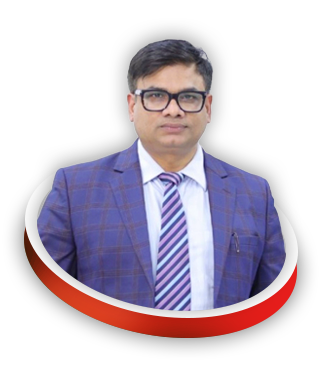
Dr. Shailendra Shukla
Managing Director
Eaton Industries
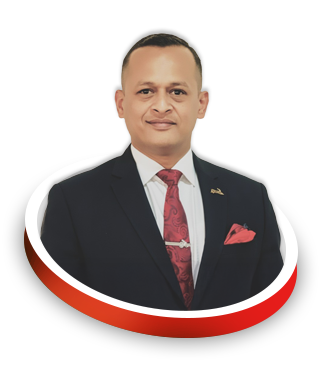
Lt. Col. Shishir Hirdekar (Veteran)
Director Safety and Security
Taj Hotels
Former Director
Indian Army

Shonik Goyal
President & Head Supply Chain Management
Sleepwell

Sohini Adhikari
Head - Materials Management
Hilti India

Sonal Jain
Vice President Procurement
KNS Shoetech

Stuti Pansari
Vice President
Open Network for Digital Commerce

Sunu Mathew
Managing Director & CEO
LEAP India Limited
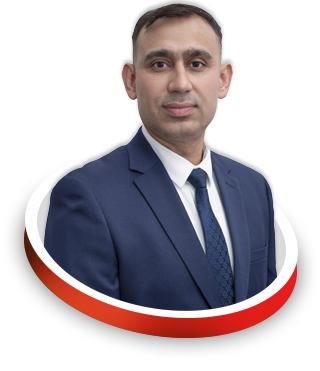
Col. Swarnendu Roy, VSM, PhD (Retd)
Former Head of Faculty, Supply Chain Training Establishment
Indian Army

Umesh Madhyan
Chief Operating Officer
LEAP India
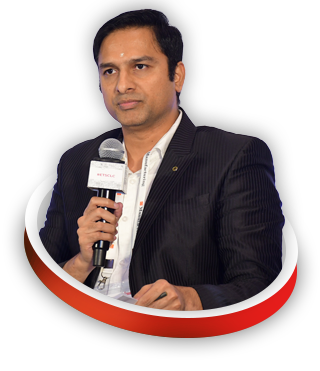
Venkataraghavan Padmanabhan
Director and Head of Procurement
McCain Products
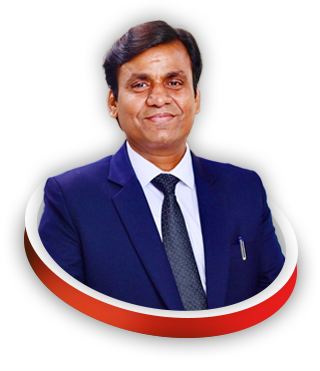
Dr. Venkatesan N
Director- Chief Procurement Officer
Max Healthcare
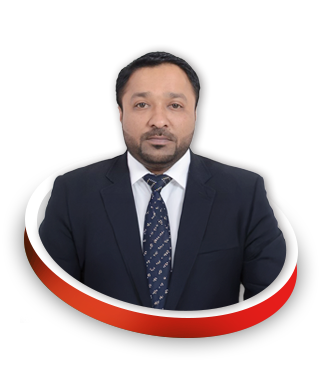
Venugopal B
Director - BI & ESG India & South Asia
CRIF

Vijay Roy
Vice President Supply Chain
Kauvery Hospital

Vikas Goyal
Head of Supply Chain Management
Fortis Healthcare
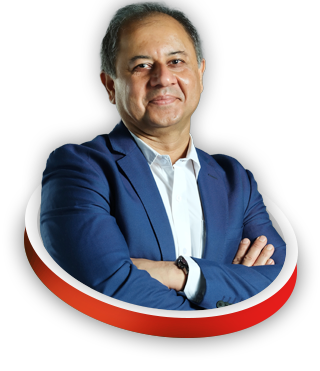
Vishal Sharma
Executive Director and Chief Executive Officer
Godrej Industries (Chemicals)
Parallel Tracks & Experience Zone
Explore dedicated tracks across Manufacturing, Healthcare, and Retail & FMCG, along with an immersive Experience Zone where industry leaders and innovators come together to decode the next era of supply chain transformation.

Manufacturing

Healthcare

Retail & FMCG

Experience Zone
Key
Discussion
Pillars
Key Discussion Pillars

Decision Intelligence (AI 2.0): Moving beyond proof-of-concept to embedded, autonomous AI in SCM

The China+1 Realisation: Converting geopolitical interest into long-term manufacturing dominance

Policy Support & The Infrastructure Gaps – The Government’s Role

Data As a Competitive Advantage - Real Time, Predictive, & Prescriptive

The Current Geo-Politics – The status quo, and the expected evolution

Hyper-Local Velocity - The logistics of the “10-minute economy” and the rise of decentralised dark stores

Net-Zero Logic: Turning ESG from a compliance burden into a competitive, profit-making, and efficiency gain
Past Partners













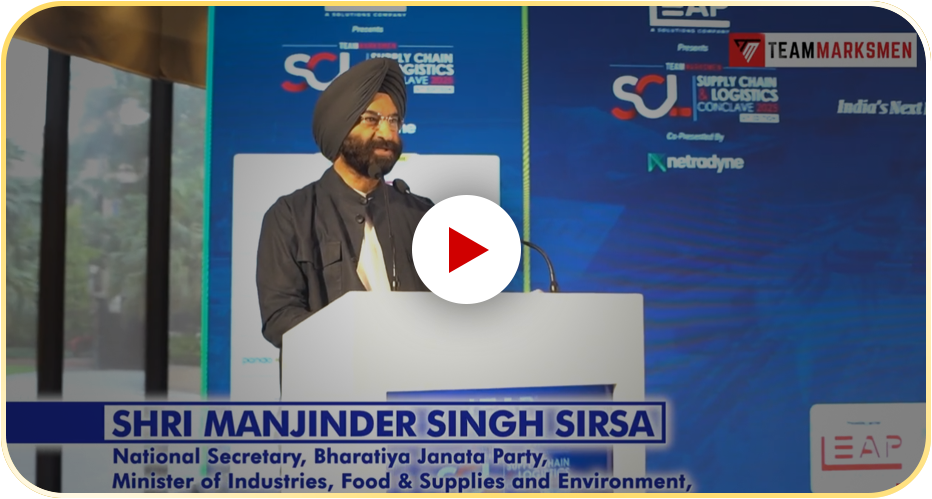
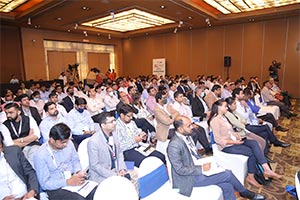
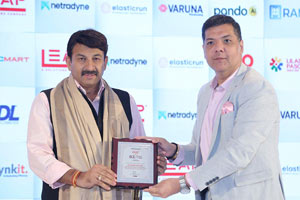
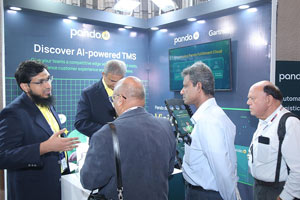
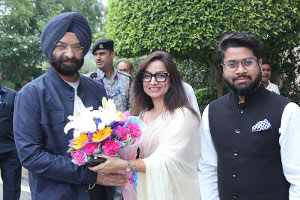
Event Coverage 2025
Industry Insights
Success Stories


Industries
Covered
Industries Covered
 Retail and
 E-Commerce
 Consumer Durables
 FMCG
FMCG
 Food & Beverage
 Pharma and Healthcare
 Manufacturing
&more...
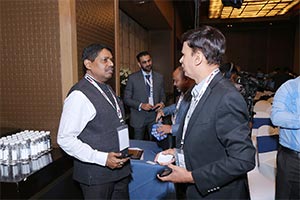
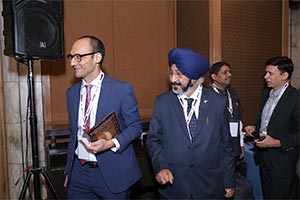
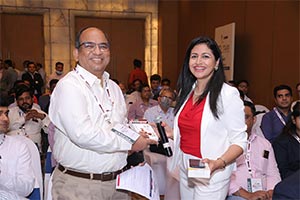
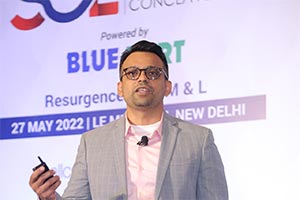
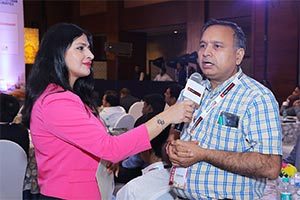
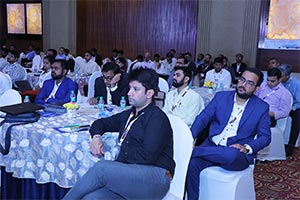
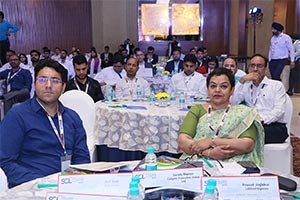
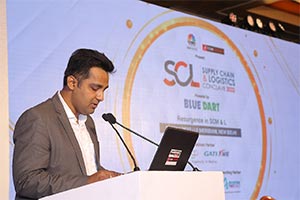
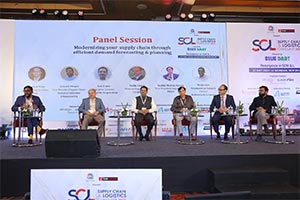
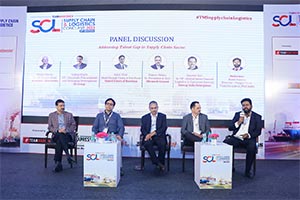
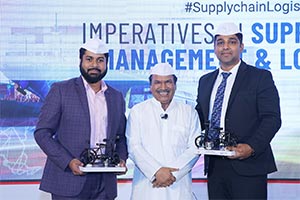
Glimpses
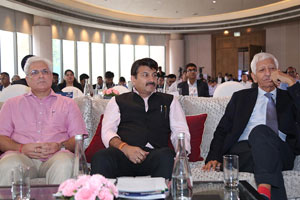
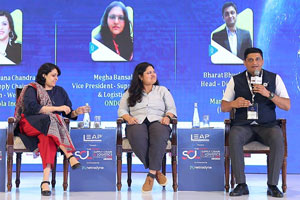
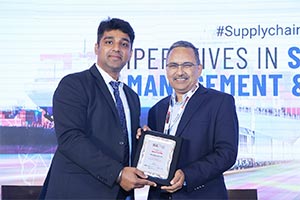
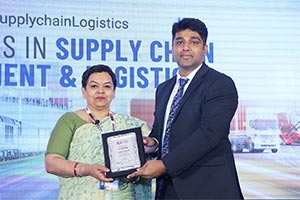
Partners
Presenting partner
Co-Powered by

Supported by
Credit Insights partner

Supply chain solution partner
Logistics, Industrial Infrastructure and Services partner

Associate partners



Exhibit partner

Telecast partner

Digital partner

Magazine partner

Media partners









Supporting Associations

Brought to you by